Upholding Indigenous Language Rights of the Nez Perce
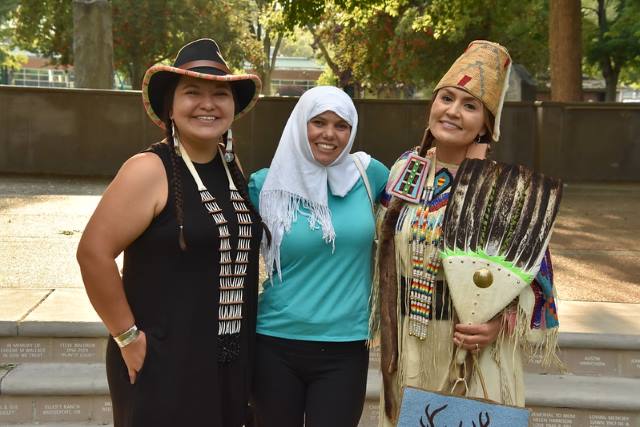 The United Nations Expert Mechanism on the Rights of Indigenous Peoples highlights that the right to language is a human right for all persons and is a specifically crucial right for Indigenous communities across the world. “To be able to communicate in one’s language is fundamental to human dignity and freedom of expression. Beyond daily communication, indigenous peoples’ languages derive and are also crucial to identity, culture, health, governance, socio-economic well-being, spiritual traditions, histories and philosophies,” the U.N. Human Rights Council says.
Furthermore, the U.N. Declaration on the Rights of Indigenous Peoples affirms the right to language “as an inherent right for Indigenous peoples.” Article 3 specifies that “Indigenous peoples have the right to revitalize, use, develop and transmit to future generations their histories, languages, oral traditions, philosophies, writing systems and literature and to designate and retain their own names for communities, places and persons.”
The Nez Perce Tribe, also known as the Nimiipuu people, are the first peoples of north-central Idaho. More than 3,500 members reside in the Nez Perce Reservation located in Lapwai, Idaho, spanning about 770,000 acres. The Nimipuutímt language is an integral part of Nez Perce culture but risks extinction and is considered critically endangered. Efforts are underway to revive the language and protect Indigenous language rights.
The Nez Perce Language
The right to speak the Nimipuutímt language is one that the tribe has long defended. During the time of westward expansion, the Nimiipuu faced many challenges that led to them fighting to maintain control and access to their ancestral lands, language and identity. The tribe, like many communities speaking smaller or minority languages, had to choose between maintaining their language or receiving resources essential to their survival.
As Western settlers attempted to assimilate the Nez Perce people, settlers discouraged the use of the Nimipuutímt language, prevented its teaching and eventually banned it. Some parents opted not to teach their children the Nimipuutímt language in hopes of sustaining and protecting their future. Additionally, children from impoverished backgrounds are more susceptible to being unprepared for schools that use English as a medium of instruction, and so, the language began to dissolve.
Poverty influences language longevity and determines one’s socioeconomic standing. Poverty can also make developing language learning skills difficult. While sources differ on the exact number of fluent Nimipuutímt speakers, the number is certainly fewer than 100 people worldwide.
The Nez Perce Language Program
Angel Sobotta is a member of the Nez Perce Tribe and coordinates the Nez Perce language program taught at Lapwai School District in Lapwai, Idaho. Sobotta has worked with the program for more than two decades.
The Nez Perce language program is structured in such a way that the Nez Perce language coordinators visit a public school biweekly to teach an hour-long Nimipuutímt language lesson. Regardless of the grade level, the educators rely on similar techniques and utilize teaching tools such as flashcards, storytelling, worksheets and interactive activities such as learning games, class projects and studies.
Dr. Dan Harvey, a computer professor from Southern Oregon University developed the Acquisition of Restored Native Speech (ACORNS) software program specifically for Indigenous language revitalization. Sobotta and the language coordinators use this free ACORNS program to create engaging language learning material.
Living Languages Grant Program
In June 2022, the Indian Affairs Office of Indian Economic Development awarded $7 million in grants under the Living Languages Grant Program to 45 American Indian and Alaska Native Tribes and Tribal organizations.
The Living Languages Grant Program provides an opportunity for tribes to receive funding to document and revitalize languages that are at risk of disappearing because of a declining native-speaker population. Native language preservation is a priority for the Biden-Harris administration and its approach to strengthening and supporting Indigenous communities. The Nez Perce received about $159,000 in support of their language revitalization efforts.
– Dorothy Quanteh
Photo: Flickr
